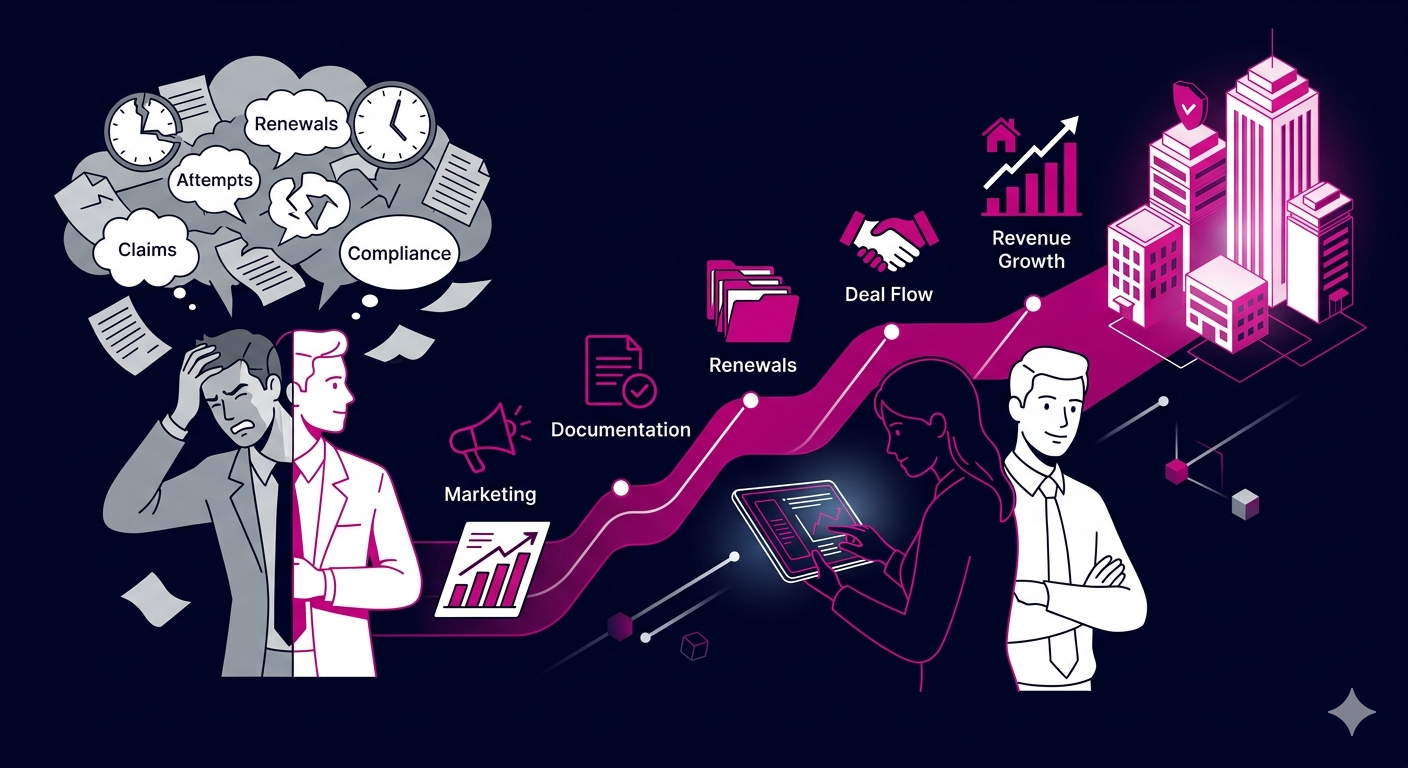
Running an insurance agency in 2026 means managing a growing volume of client communications, policy renewals, claims follow-ups, compliance documentation, and lead generation, all at the same time. The agencies pulling ahead are not doing more of this work themselves. They are hiring a remote worker for insurance agency support to handle the operational load so their licensed agents can focus on selling and retaining clients. This guide walks you through exactly why this model works, what tasks to delegate, and how to hire the right remote professional for your agency.
Why Insurance Agencies Are Turning to Remote Workers in 2026
The insurance industry has seen a significant shift over the past few years. Agencies that once relied entirely on in-office staff are now building hybrid and fully remote support teams to stay competitive. The reasons are straightforward.
First, the cost of in-office administrative staff continues to rise. Salaries, benefits, office overhead, and equipment costs add up quickly for a small or mid-sized agency. A skilled remote worker for insurance agency support can deliver the same quality of work at a fraction of that cost.
Second, the talent pool for remote workers is broader. You are no longer limited to hiring from your local area. In 2026, agencies are tapping into experienced insurance support professionals from across the country and around the world, many of whom already understand industry-specific tools and workflows.
Third, remote support scales with your business. Whether you need 10 hours per week or 40, you can adjust the scope of your engagement without the overhead of hiring and firing full-time employees.
Core Tasks a Remote Worker for Insurance Agency Support Can Handle
One of the first questions agency owners ask is: what exactly can a remote worker take off my plate? The answer covers a wide range of functions that are essential to daily operations but do not require a licensed agent to complete.
Client Communication and Policy Service
- Responding to inbound emails and client inquiries about coverage questions
- Processing policy change requests and forwarding them to the appropriate carrier
- Sending renewal reminders and following up with clients on expiring policies
- Handling certificate of insurance requests for commercial accounts
- Updating client contact information and policy details in your agency management system
Lead Generation and Pipeline Management
- Pulling and qualifying inbound leads from your website or referral sources
- Managing your CRM with accurate, up-to-date lead and prospect information
- Scheduling appointments between prospects and licensed producers
- Following up with quoted prospects who have not yet converted
- Running outbound outreach campaigns to warm referral lists
Administrative and Back-Office Support
- Preparing quotes and applications using carrier portals (non-binding support tasks)
- Tracking claims status and updating clients on progress
- Managing document filing and compliance checklists
- Reconciling commission statements and preparing reports for agency principals
- Coordinating with carriers on endorsements, cancellations, and reinstatements
Marketing and Online Presence
- Managing social media accounts and posting educational insurance content
- Building and sending email newsletters to your book of business
- Updating your agency website with new content, blogs, or service pages
- Monitoring and responding to online reviews on Google and industry directories
If your agency needs dedicated help with consistent client communication and retention, a remote customer support expert for insurance agency teams can be a strong starting point for building your remote support function.
The Financial Case for Hiring Remote Insurance Agency Support
Let us look at the numbers. A full-time in-office insurance agency administrator in the United States costs an average of $42,000 to $55,000 per year in salary alone in 2026, before factoring in employer taxes, health insurance contributions, paid time off, and office expenses.
A skilled remote worker for insurance agency support typically costs between $10 and $28 per hour depending on their experience level and specialization. For a 20-hour-per-week engagement, that translates to $800 to $2,240 per month, or roughly $9,600 to $26,880 annually. The savings are significant even at the higher end of that range.
Beyond the direct cost savings, there is the revenue impact. When your licensed agents are no longer spending two to three hours per day on administrative tasks, they have more time for outbound activity, cross-selling existing clients, and building referral relationships. For a producer writing $150,000 in new premium per year, recovering even 20 percent more selling time has a measurable bottom-line effect.
Key Skills to Look for in a Remote Worker for Insurance Agency Support
Not every remote professional is qualified for insurance-specific work. When evaluating candidates for a remote worker for insurance agency support role, prioritize the following:
- Agency management system experience: Familiarity with platforms like Applied Epic, Hawksoft, QQ Catalyst, EZLynx, or AMS360 is a major advantage and reduces onboarding time significantly.
- Insurance industry knowledge: Candidates who understand basic insurance concepts, terminology, and carrier workflows will require far less training than those coming from unrelated industries.
- Attention to detail: Insurance is a compliance-heavy industry. Small errors in policy data, documentation, or client communication can have real consequences. Accuracy is non-negotiable.
- Professional written communication: Your remote worker will often be a client-facing representative of your agency via email and chat. Clear, professional writing is essential.
- Self-directed work ethic: The best remote professionals manage their own time, flag issues proactively, and complete tasks without needing constant supervision.
How to Onboard a Remote Worker for Your Insurance Agency
A structured onboarding process is the difference between a remote worker who thrives and one who underperforms. Follow these steps to set your hire up for success from day one.
Build Simple Process Documentation
Before your remote worker starts, document the five to ten tasks you plan to delegate first. A short Loom video walkthrough combined with a written checklist is usually enough. Focus on tasks with clear inputs and outputs like processing endorsements or sending renewal reminders.
Assign a Point of Contact
Designate one person in your agency as the primary contact for your remote worker. This reduces confusion, speeds up decision-making, and creates accountability on both sides of the relationship.
Use a Trial Period
Start with a 30-day trial focused on lower-stakes tasks. Evaluate quality, responsiveness, and communication before expanding the scope of work. Most skilled remote professionals welcome this structure because it gives them a chance to demonstrate their value.
Set Up the Right Tools
Give your remote worker access to the systems they need from day one. This typically includes your agency management system (with appropriate permission levels), a communication tool like Slack or Microsoft Teams, and a task manager like Asana or ClickUp. Role-based permissions protect sensitive client and financial data.
Compliance Considerations When Hiring Remote Insurance Agency Support
Insurance is a regulated industry, and agency owners rightly ask about compliance when bringing on remote workers. Here are the key boundaries to understand:
- Remote workers who are not licensed agents cannot provide coverage advice, make binding coverage decisions, or sign policy documents on behalf of a licensed producer.
- Tasks like data entry, client communication, scheduling, document management, and administrative processing do not typically require a license and can be handled by a trained remote professional.
- Always consult your state insurance department or a compliance attorney if you are unsure whether a specific task requires a license in your state.
- Ensure your agency’s errors and omissions (E&O) policy covers the supervision of unlicensed support staff, as requirements vary by carrier and state.
For more context on how remote professionals are reshaping support roles across industries, SHRM’s resource hub on remote and virtual work provides current research and best practices relevant to hiring and managing remote workers for specialized support roles like insurance agency operations.
Conclusion: Scale Your Agency with the Right Remote Support
The agencies growing their books of business in 2026 are not doing it by working longer hours. They are building lean, efficient support teams with remote workers who handle the operational weight so licensed producers can do what they do best. If your agency is ready to reduce overhead, improve client response times, and free up your team to focus on growth, hiring a remote worker for insurance agency support is one of the most impactful moves you can make this year.
Start by identifying the five tasks that consume the most non-selling time in your agency right now. Those are your first delegation targets. The right remote professional can be handling them within weeks.
Frequently Asked Questions About Hiring a Remote Worker for Insurance Agency Support
What is a remote worker for insurance agency support and what do they do?
A remote worker for insurance agency support is a trained professional who handles administrative, client communication, and operational tasks for an insurance agency from a remote location. Common responsibilities include processing policy changes, sending renewal reminders, managing CRM data, scheduling appointments, and supporting marketing activities. They work under the direction of licensed producers but do not perform tasks that require an insurance license.
How much does a remote worker for insurance agency support cost in 2026?
In 2026, the typical cost of a remote worker for insurance agency support ranges from $10 to $28 per hour depending on experience, specialization, and location. Part-time engagements of 15 to 20 hours per week are common for smaller agencies, while larger agencies often bring on full-time remote support at the higher end of that range. Either way, the cost is significantly lower than hiring an in-office employee when you factor in benefits and overhead.
Does a remote worker for insurance agency support need to be licensed?
Not for most support tasks. A remote worker for insurance agency support handles non-licensed functions such as data entry, scheduling, client follow-up, document processing, and marketing assistance. Tasks that require making coverage recommendations, binding coverage, or advising clients on policy decisions must be performed by a licensed agent. Always verify requirements with your state insurance department and review your E&O coverage before assigning tasks.
How quickly can a remote worker for insurance agency support be productive?
With a structured onboarding process and clear documentation of your workflows, most remote workers for insurance agency support reach solid productivity within two to four weeks. Candidates who already have experience with insurance-specific platforms like EZLynx or Applied Epic often require less ramp-up time. Providing screen-recorded walkthroughs of your most common tasks is one of the fastest ways to get a new hire up to speed.
What tools does a remote worker for insurance agency support typically use?
A remote worker for insurance agency support typically works within your agency management system (such as HawkSoft, EZLynx, or QQ Catalyst), a communication platform like Slack or Microsoft Teams, a task management tool like Asana or Trello, and standard productivity tools like Google Workspace or Microsoft 365. Depending on your agency’s needs, they may also use email marketing tools, social media schedulers, or CRM platforms.
Can a remote worker for insurance agency support help with client retention?
Yes, and this is one of the highest-value use cases. A remote worker for insurance agency support can manage your renewal outreach calendar, send personalized renewal reminders, follow up with clients after claims are closed, and coordinate annual review appointments with producers. Consistent, proactive communication is one of the most effective drivers of client retention, and a dedicated remote support worker ensures nothing falls through the cracks.